
Economy
GRAIN ROT economy explained — how to earn gold, Grinder pricing, furniture values, upgrade costs and the fastest ways to fund your Outpost progression.
Introduction
The Economy section explains the money side of GRAIN ROT — because in an extraction game, gold is the difference between a fun night and a frustrating one. Furniture you haul out is worth gold, but the Grinder will also convert furniture on the spot, and every vessel, upgrade and cosmetic has a price tag tied to the same currency. These guides break down how to earn gold efficiently, which furniture is worth grinding and which is worth hauling home, how the Grinder's pricing works, the differences between early, mid and late-game economy, and the budget habits that keep you from bankrupting your Outpost. Master the economy and you will always have gold for the upgrade that actually matters.
Furniture Gold Value Quick Reference
| Furniture | Found In | Estimated Gold | Grind or Haul? |
|---|---|---|---|
| Debris / Chairs | Everywhere | 5-40 | Grind |
| Dresser | Bedrooms, hallways | 50-70 | Grind early, haul late |
| Iron Stove | Kitchens, mid floors | 120-160 | Haul |
| Teddy Bear | Nursery rooms, crates | 180-220 | Haul |
| Grand Piano | Deep layers, rare spawns | 300+ | Always haul |
Economy Items
Debris & Chairs
Cheap, everywhere, instant gold
Dresser
Solid early-game bank builder
Iron Stove
The mid-tier all-rounder find
Teddy Bear
The community favourite find
Grand Piano
The deep-layer jackpot
Core Mechanics
GRAIN ROT's economy runs on one currency — Gold — earned by extracting furniture and by feeding furniture to the Grinder. The Grinder converts any furniture into gold instantly in exchange for destroying it, which creates the core decision: haul valuable pieces home for building material and decoration, or grind low-value junk for fast cash. Between runs, gold funds Outpost upgrades, vessel purchases and repairs. Because furniture is also your base-building material, a healthy economy is not about having the most gold — it is about having the right ratio of banked gold to hauled furniture for your current progression stage.
Advantages
Understanding the economy means you stop making the two mistakes that bankrupt new players: grinding high-value pieces by accident, and hoarding gold while your vessel sits too fragile to survive. The golden rule — grind under 50 gold value, haul over 100 — keeps your extraction runs profitable and your outpost growing. Early-game economy guides teach you to bank every piece of reliability (durability, movement) before spending on luxuries, while late-game guides show how Grinder Mill upgrades and survivor rescues turn passive income into automatic progression. A player with even a basic economy plan extracts twice the value per hour.
Challenges
Economy numbers in GRAIN ROT are volatile right after launch, and that volatility is the real risk of any economy guide. Furniture gold values, Grinder payouts and upgrade costs are community-estimated and shift with balance patches, so treat every table here as a snapshot, not a law of the universe. The deeper warning is that 'profitable' is route-dependent: a 300-gold Grand Piano only matters if you can actually carry it out, and spending your whole run hauling heavy epic furniture can leave your crew too slow to avoid the ambush that loses everything. Economy guides give you the framework, but your real profit comes from matching the plan to the crew's actual extraction skill. A table that works for a veteran crew can bankrupt a first-timer, and the only way to know your correct threshold is to test it on real floors and adjust after every patch that touches the Grinder.
Frequently Asked Questions
What is the fastest way to earn gold?+
Should I grind furniture or haul it home?+
How does the Grinder's pricing actually work?+
Quick Tips
Memorise the 50/100 rule: grind furniture worth under 50 gold and haul anything over 100 home. This one habit keeps both your gold balance and your Outpost stocked at the same time, and it removes the endless debate about what deserves a bag slot. Review the threshold after every balance patch, because durability changes and Grinder payouts can move the line that decides which loot is worth carrying.
Bank gold for repairs before spending on luxury upgrades. A 200-gold cosmetic is worthless if your vessel breaks and you cannot afford to fix it before the next run. Set a small repair fund that survives every spending spree, and treat it as a fixed cost of doing business rather than an optional saving. The players who never go broke all follow the same rule: protect your ability to run before you decorate the base.
Feed the Grinder in batches at extraction time, not mid-run. Spending three seconds grinding junk while a Corrupted patrols nearby is how promising runs end, so stack your low-value debris and convert it all at once when the floor is quiet or the elevator is almost ready. Batch grinding also means you never carry a bag full of 5-gold items into a fight, where every hand is needed for the actual escape.
Upgrade the Grinder Mill only after core stats are covered, because it boosts income but income is useless if your vessel cannot survive the floors that produce it. A mill that pays 20% more is a great long-term investment, but only if you can extract consistently enough to feed it. The correct order is durability, movement, then economy tools, and every veteran Outpost follows roughly that sequence.
Featured
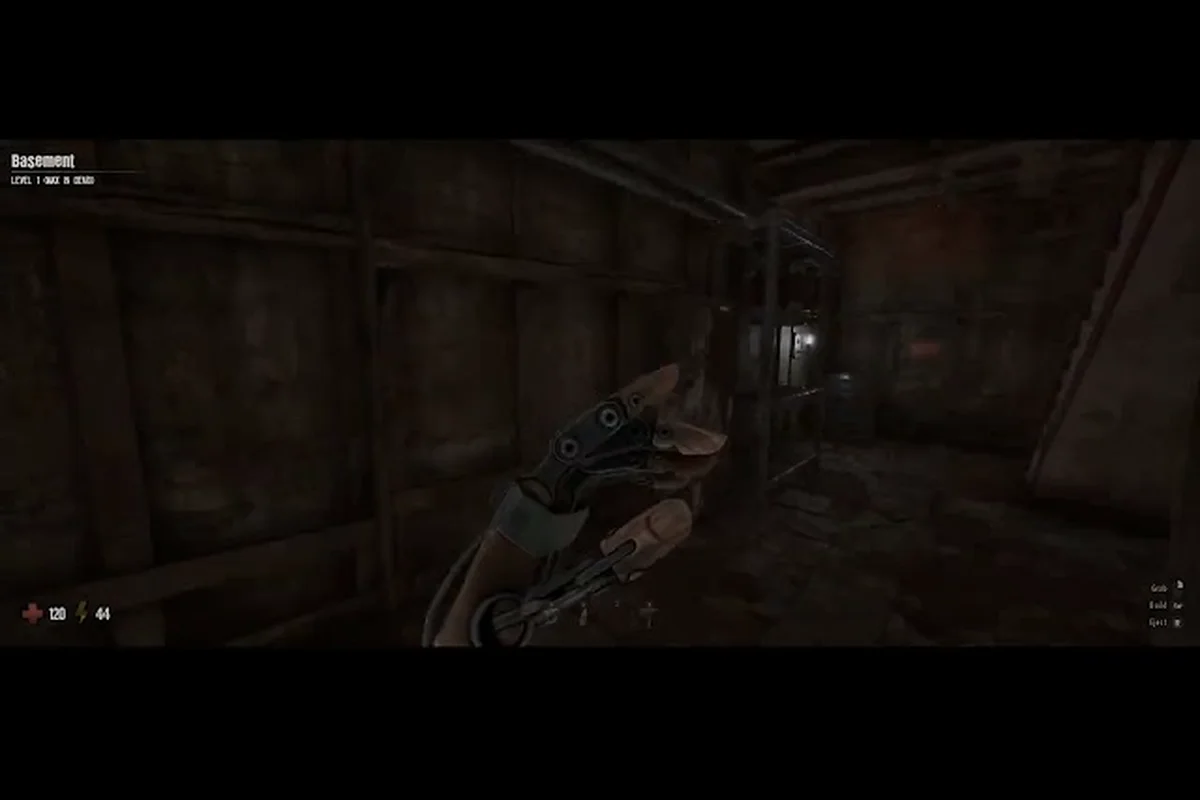
GRAIN ROT How to Get Gold: Fast Money-Making Guide
Learn how to get gold fast in GRAIN ROT with our money guide covering the Grinder, furniture resale, extraction runs, and the fastest gold farming methods for 2026.
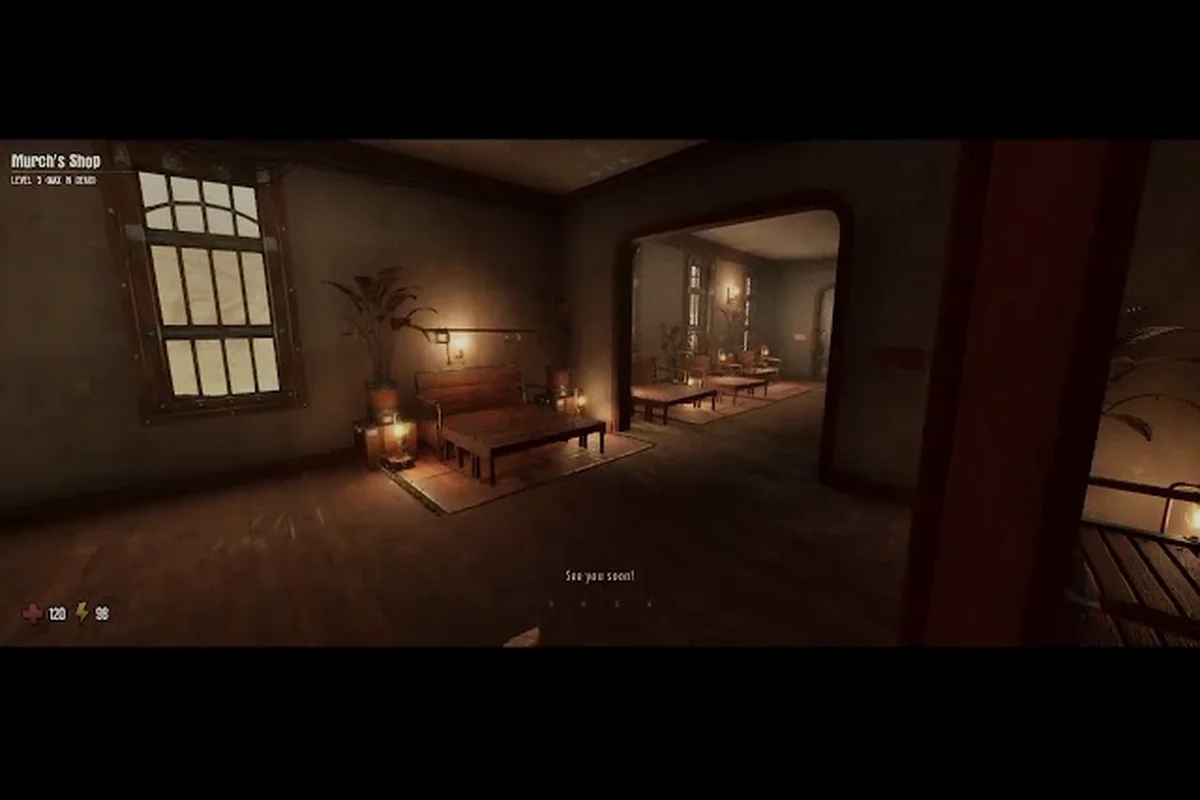
GRAIN ROT Loot Value Guide: Best Items to Sell First
Learn GRAIN ROT loot value basics, item prices, gold sinks, and the best gold farm strategies for solo and duo players in this scorched wasteland economy guide.

Grain Rot Budget Guide: Earn, Spend & Save Gold Wisely
Master the GRAIN ROT economy with this budget guide. Learn how to earn gold, use the Grinder wisely, compare prices, and trade with the Trader for maximum value.
All Articles
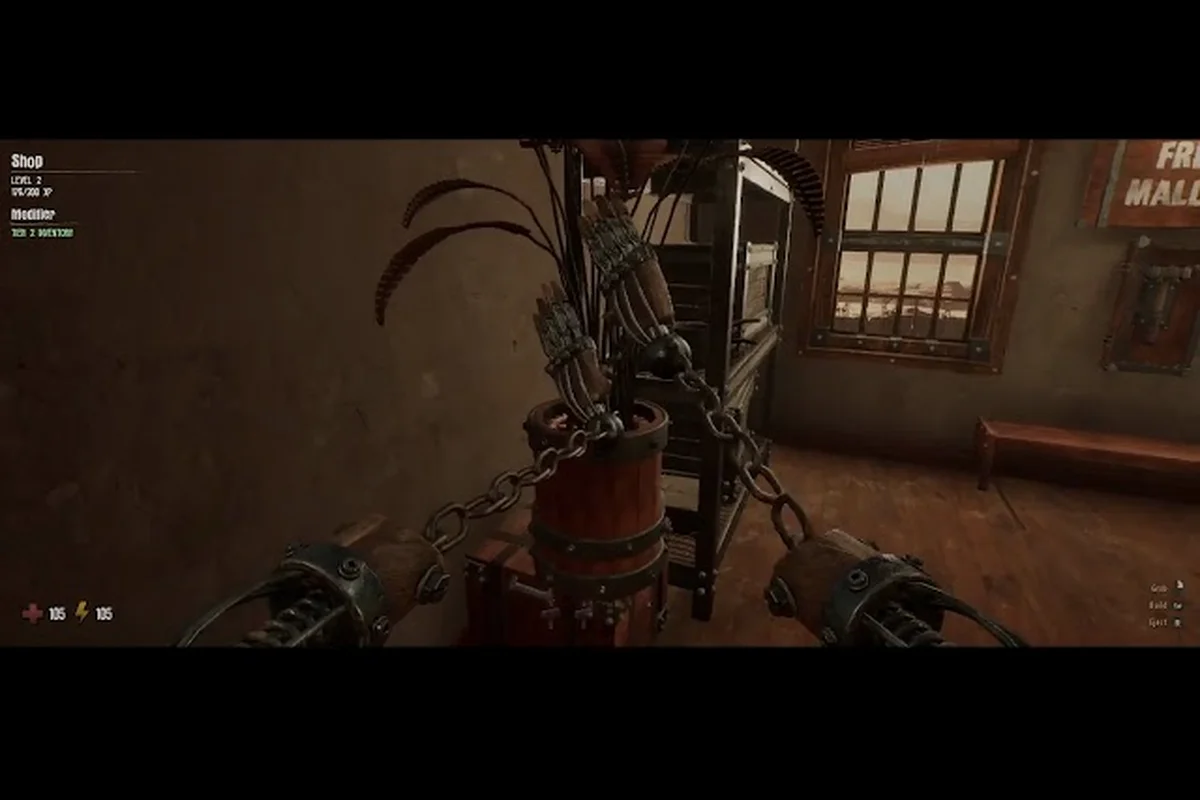
Grain Rot Furniture Resale: Top Items to Sell First
Learn the best grain rot furniture resale strategies to maximize gold per run. Compare furniture values, avoid common expense traps, and build a reliable income guide.

Grain Rot Gold Farm Guide: Best Furniture & Upgrades
Master the GRAIN ROT economy with this gold farm guide. Learn what to sell, what to keep, furniture prices, and upgrade costs to maximize every run.
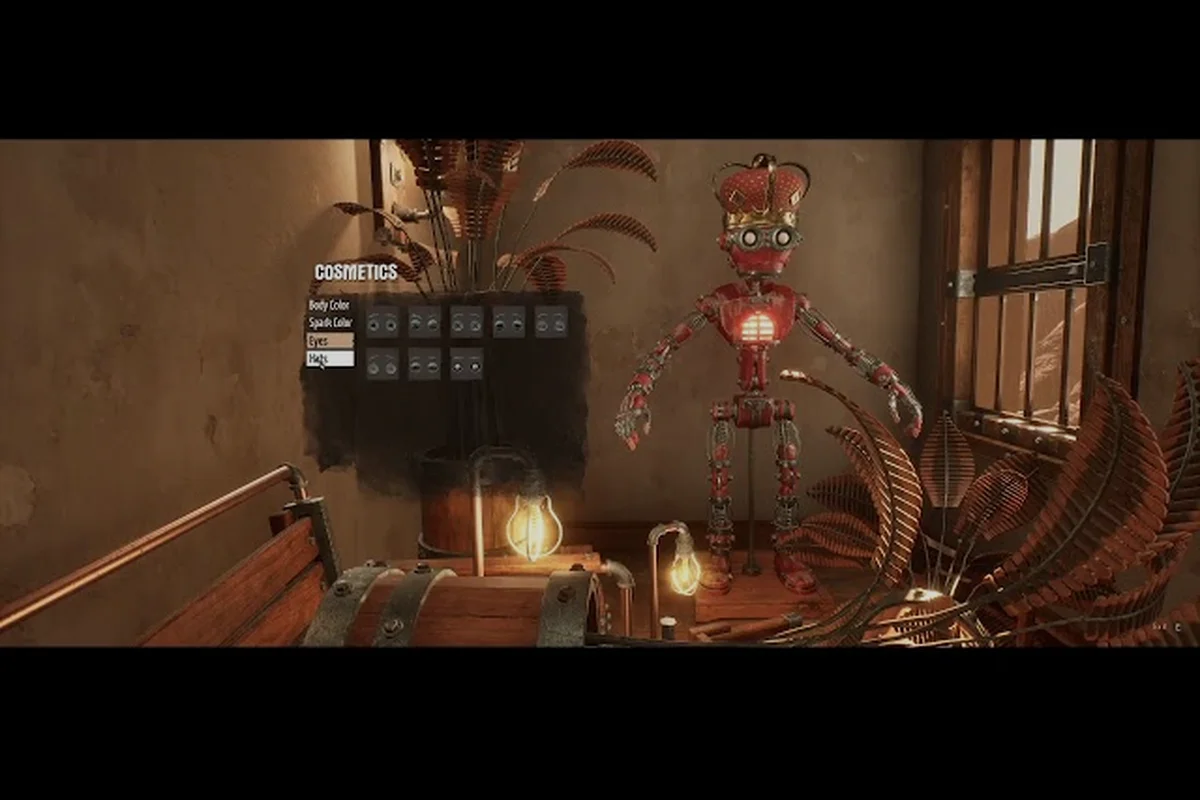
GRAIN ROT Late Game Money: Shop Guide & Salvage Values
Master GRAIN ROT late game money with our shop guide covering Murch and Biggie, salvage values, debris prices, and how to buy the right upgrades for endgame extraction runs.