
Enemies
Deal with every mob the Rot throws at you in GRAIN ROT — Corrupted vessels, crawlers, deeper mutants and boss encounters with sound, movement and ambush tips.
Introduction
The Enemies section is every crew's survival manual for the horrors of GRAIN ROT. Below the surface, the Rot has warped the world into a gallery of threats: Corrupted vessels that react unpredictably to sound and movement, fast Crawlers that punish players who wander from the elevator, Deep-layer mutants with voices twisted into decoys, snares that ambush loot-hungry crews, and heavy boss encounters at the bottom of the ruins. These guides give you a practical behaviour breakdown for each mob — what triggers them, how sound works in their favour, how to avoid ambushes and how to fight back with the game's signature dropkicks. Learn the mobs and the Deep Layers stop feeling like a horror game, and start feeling like a checklist.
Enemy Threat Quick Reference
| Enemy | Threat | Trigger | Counter |
|---|---|---|---|
| Crawlers | Low | Movement + noise | Keep moving, don't stop |
| Corrupted | Medium | Sound, sight, each other | Stealth + exit route |
| Deeper Mutants | High | Distorted voices as bait | Ignore voices, use pings |
| Vessel Snares | Medium | Loot spawn proximity | Check before grabbing |
| Rot Bosses | Extreme | Deep Layer spawn | Coordinated dropkicks |
Enemy Roster
Crawlers
Fast, aggressive, punishes stationary players
Corrupted
Warped vessels that react to everything
Deeper Mutants
Bodies twisted by the Rot with voice decoys
Vessel Snares
Traps hidden near tempting loot
Rot Bosses
Deep-layer heavy hitters
Core Mechanics
Enemies in GRAIN ROT are driven by a sound-and-sight AI that makes information your most valuable weapon. Mobs react to player noise — footsteps, dropped furniture, the Grinder's roar — and to movement in their vision cone, and Corrupted can even react to each other, creating chain reactions that turn a single mistake into a room-wide ambush. Every mob type has a distinct behaviour: Crawlers are fast and aggressive, Deeper Mutants use distorted voices to lure players out of position, and Vessel Snares hide in rooms with tempting loot. Bosses in the Deep Layers demand co-ordinated play, usually the dropkick mechanic that GRAIN ROT players love.
Advantages
Knowing enemy behaviour turns GRAIN ROT from a survival horror you fear into a game you understand. Once you know that Crawlers punish stationary players, you stop standing still; once you learn that Deeper Mutants bait you with fake voices, you stop chasing screams and start trusting your ping system. Enemy guides give you the exact triggers and counters so you can plan routes around mob types, avoid ambushes, and reserve dropkicks for the moments they actually work. Good crews do not kill every mob — they avoid the ones they do not need to kill, which is the real win condition in an extraction game.
Challenges
The danger of enemy guides is overconfidence. Even with perfect knowledge of triggers, the procedural floors mean a Corrupted can spawn in a corridor you thought was clear, and the Rot's voice distortion makes callouts unreliable under pressure. Enemy behaviour is also community-anecdotal after launch: exact cone angles, aggro ranges and health numbers are still being measured, and different floors can change how the same mob behaves. Treat every mob guide as a strategy layer, not a script, because the best crew in the world still dies to a Deep Layer ambush when it ignores the golden rule of keeping an exit open. The guides give you the pattern, but the floor always has the final veto, and the teams that survive are the ones that treat every clean room as a temporary blessing, not a promise.
Frequently Asked Questions
How does sound detection work?+
What is the best strategy for dealing with Crawlers?+
How do I survive Deep Layer boss encounters?+
Quick Tips
Do not chase the screaming. Deeper Mutants and the Rot produce distorted voices specifically to bait players out of position, so trust your ping system and a hard rule that nobody goes alone after a sound. If a call sounds friendly but no one on the team made it, treat it as an ambush announcement. The fastest way to turn a clean floor into a wipe is one curious player following a voice into a dead end.
Always leave one exit route open while scavenging. The single most common way crews die to Corrupted is being trapped in a dead-end room with a full bag and no way to the elevator. Keep your back to an open corridor, check the door behind you before you grab loot, and let the lookout call the room safe before the salvager commits. A full bag is worthless if nothing alive carries it home.
Dropkicks stagger bosses and clear ambush lanes. Save your dropkicks for the moments they matter, because a well-timed kick is an escape tool, not just a meme. A single stagger on a Rot Boss can buy your teammates the seconds they need to haul the last furniture to the elevator, and a kick into a pack of Crawlers can buy you the corridor you need to run. Practise the timing in the Outpost until it is muscle memory.
Assume every tempting loot spawn can be a snare. Approach high-value furniture with a teammate watching the door and check for Vessel Snares before grabbing, because the game deliberately places traps where the rewards look best. If a Grand Piano is sitting alone in an easy room, ask yourself why nobody has taken it yet. The disciplined crews always scan first and grab second, and they survive floors the greedy ones feed.
Featured
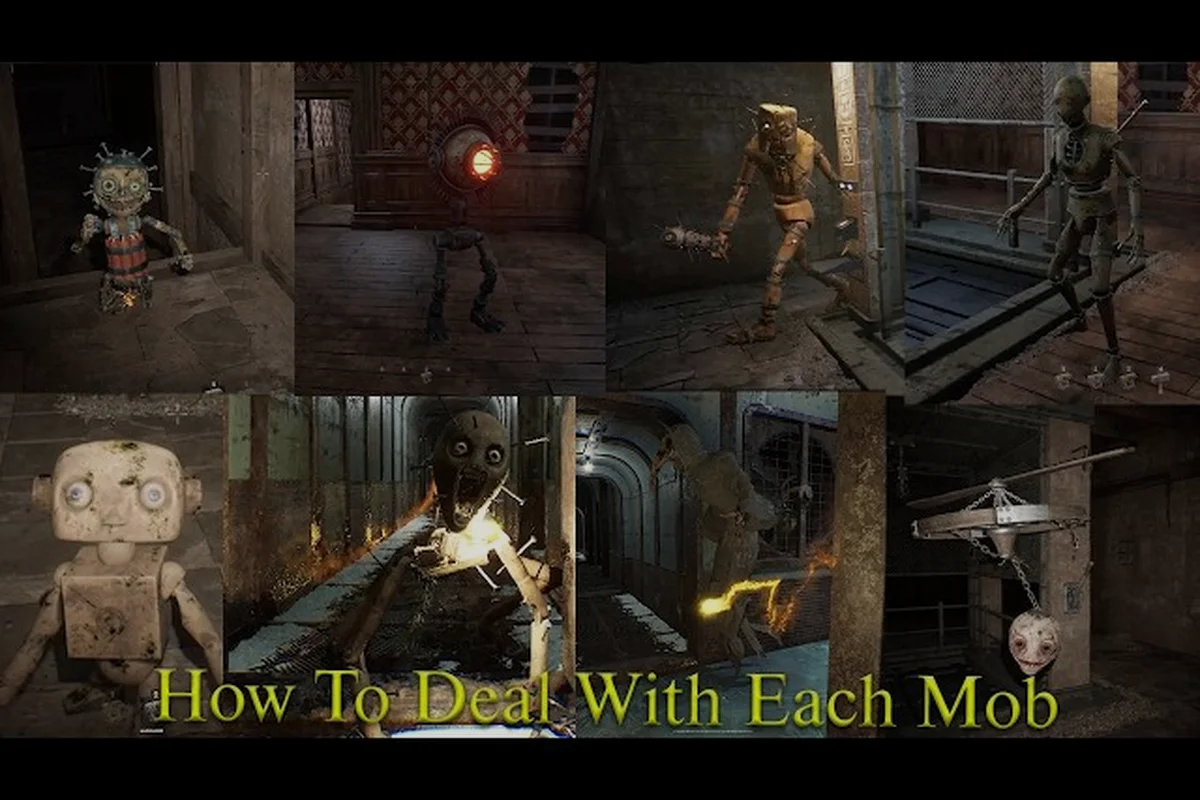
GRAIN ROT Enemies Guide: Every Corrupted Type Explained
Master every GRAIN ROT enemy type with our complete guide. Learn how to kill corrupted creatures, counter ambushes, and survive the scorched wasteland.
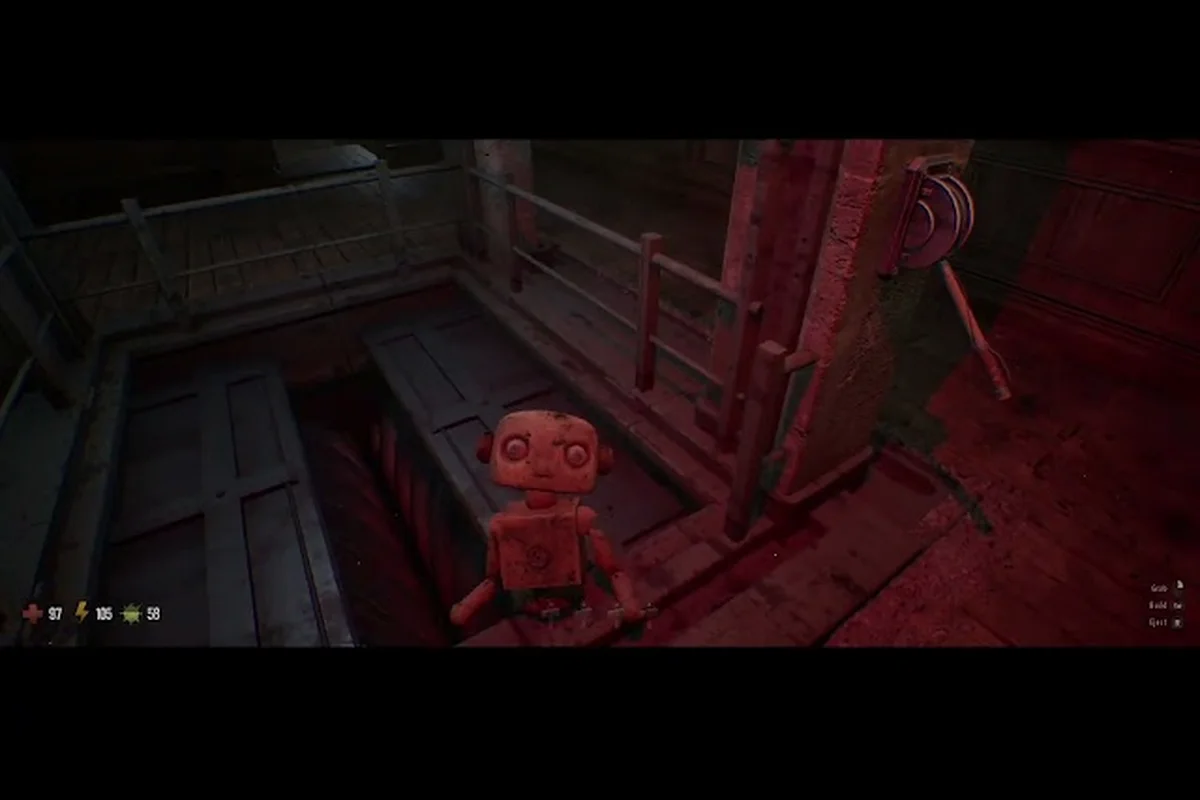
GRAIN ROT Enemy Tier List: Best Boss Strategies & Weaknesses
Complete GRAIN ROT enemy tier list covering every Corrupted threat, deep layer boss patterns, weaknesses, and the best weapons to counter each foe in 2026.
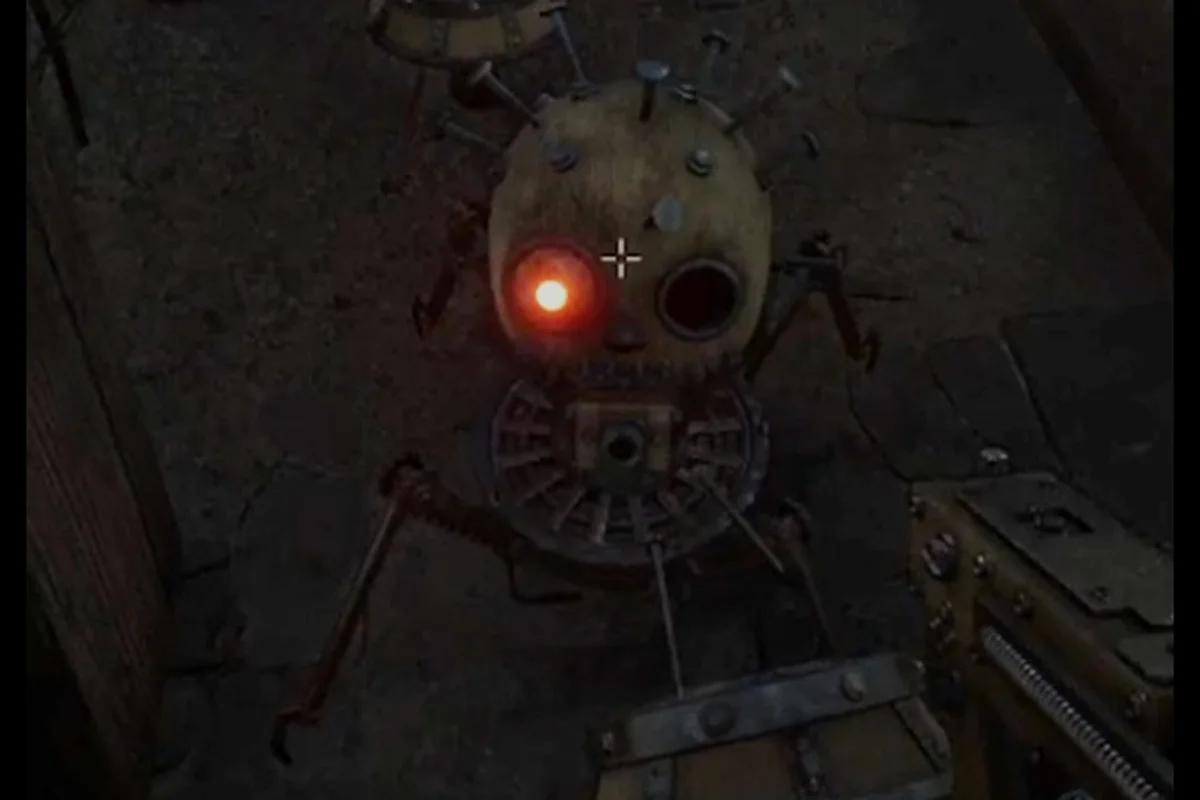
GRAIN ROT Mob Guide: Dealing With Every Enemy Type
Master GRAIN ROT enemy behavior with this complete mob guide. Learn sound detection, stealth tactics, and how to avoid enemies on every descent.
All Articles
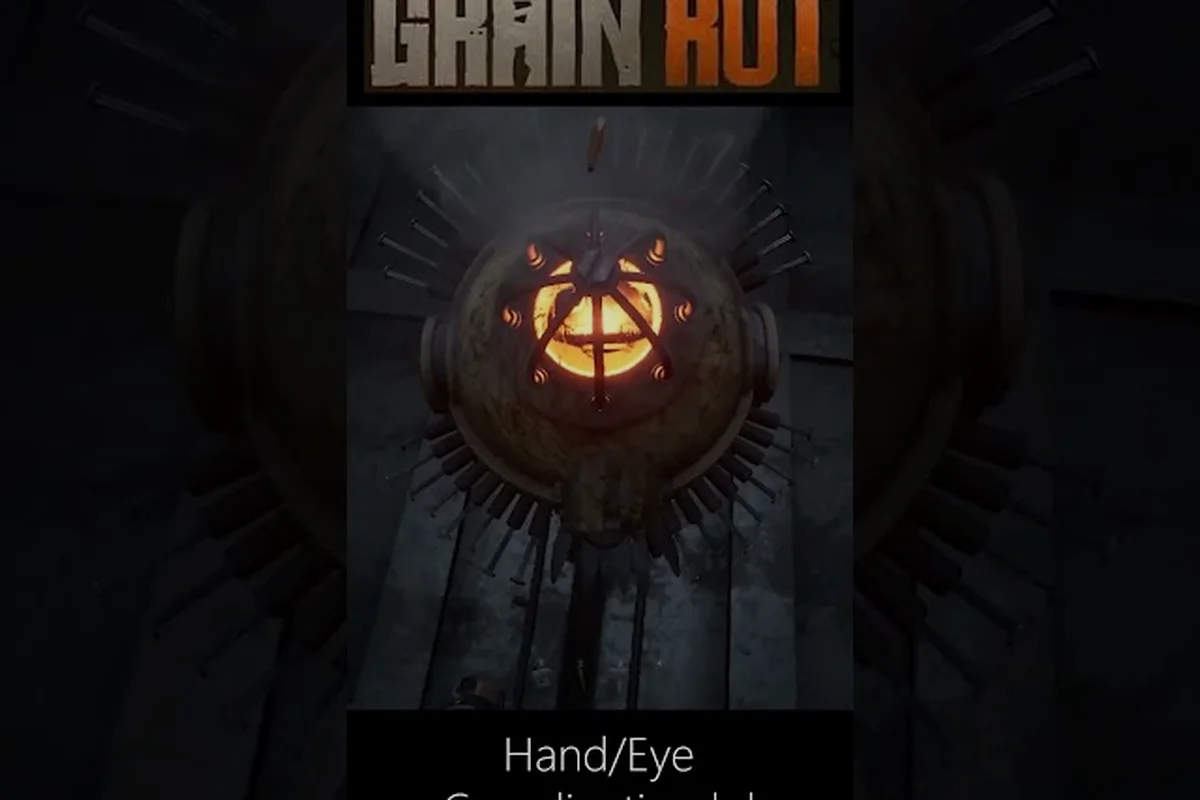
GRAIN ROT Weapon Guide: Master Combat and Dropkicks
Learn how to fight in GRAIN ROT with our weapon guide. Master the dropkick, optimize attacks, and survive the Corrupted with proven combat tactics.
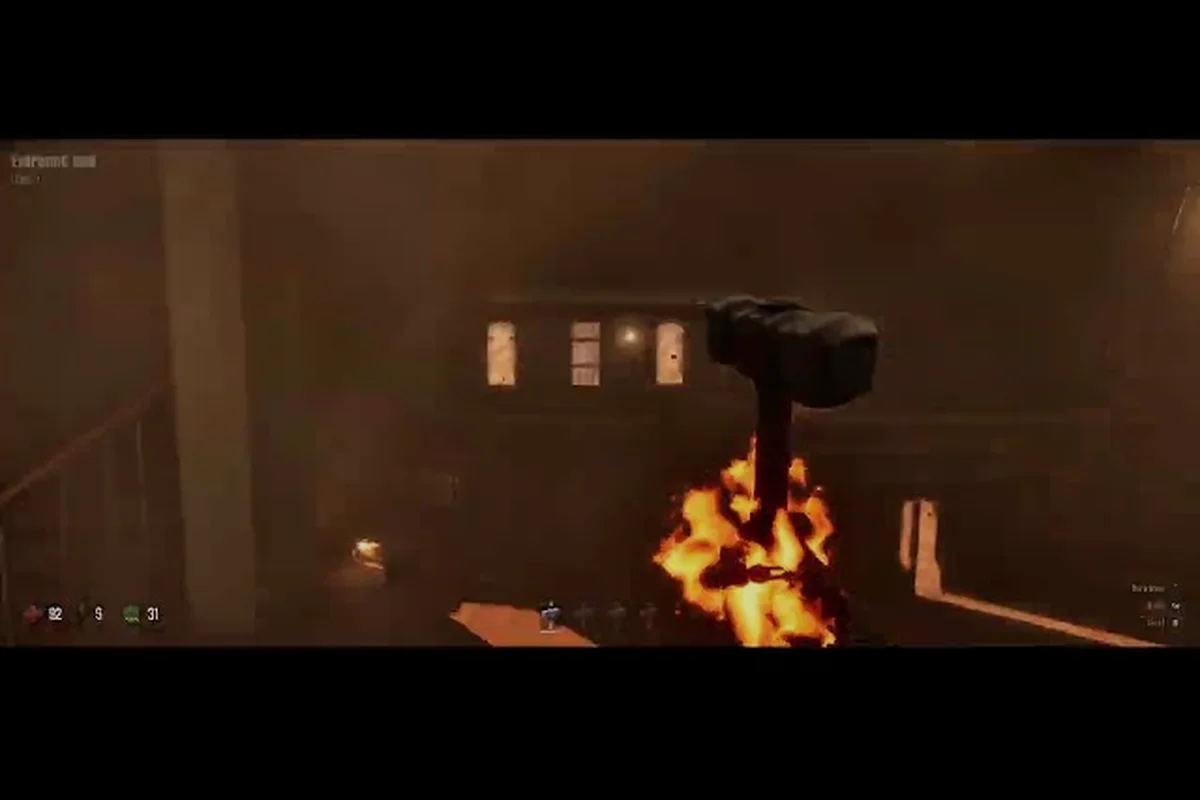
GRAIN ROT Hostile NPC Guide: Survive the Corrupted
Master every hostile NPC in GRAIN ROT with this 2026 monster guide. Learn corrupted enemy AI, HP pools, attack patterns, and survival tactics.
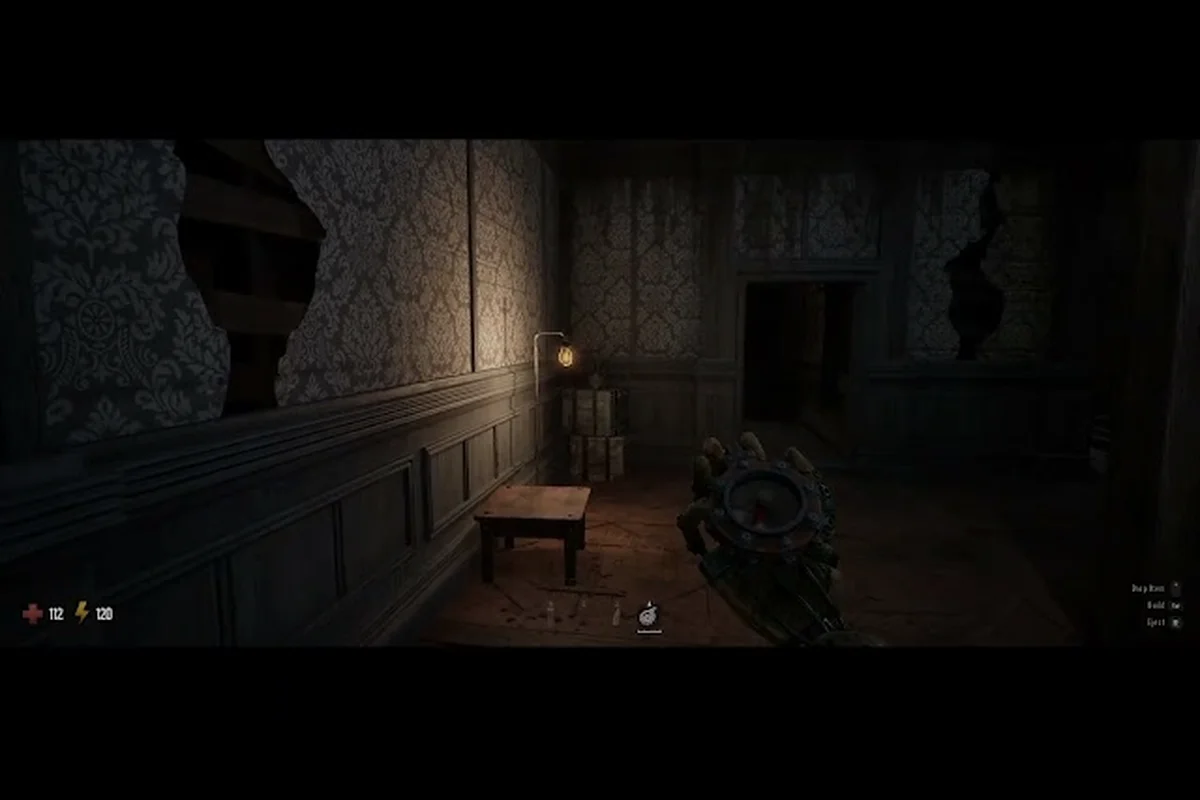
GRAIN ROT Enemy Spawns: Ambush Survival Guide 2026
Master GRAIN ROT enemy spawns with our ambush survival guide. Learn corrupted vessel enemy patterns, mutated enemies, and deep enemies tactics to extract alive.
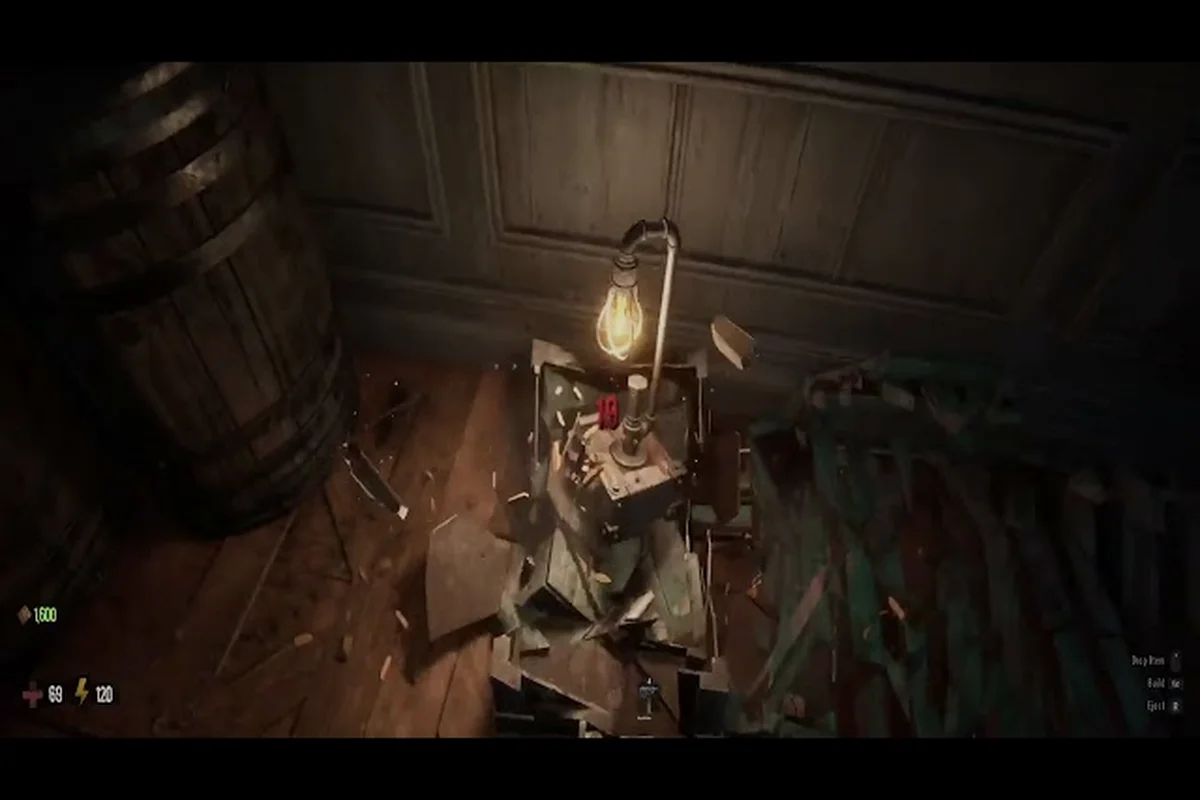
GRAIN ROT Hardest Enemy: Top Threats & How to Beat Them
Discover the grain rot hardest enemy threats, from tanky enemies to stun tactics. Learn enemy damage, crowd control, and reaction strategies to survive every run.