
Extraction
Master GRAIN ROT extraction runs — loot rarity, risk-versus-reward decisions, the cursed elevator loop, deep-layer hauls and how to carry your crew out alive.
Introduction
The Extraction section is the heart of GRAIN ROT's risk-versus-reward loop. Every run is a question: how deep do you push, how much furniture do you carry, and when do you call the cursed elevator? New players lose most of their gear exactly here — they grab too much, wander too far, or linger one floor too deep when the Rot wakes up. These guides cover the full extraction game: reading a floor's layout and loot rarity, choosing what to salvage versus what to grind, understanding elevator timing, reviving downed teammates and pushing Deep Layers for epic loot without throwing the run away. Master extraction and you turn every session into steady profit.
Loot Rarity Quick Reference
| Rarity | Examples | Estimated Gold |
|---|---|---|
| Common | Debris, chairs, small crates | 5-40 |
| Rare | Dressers, iron stoves | 50-160 |
| Epic | Grand piano, bathtubs, gold chests | 200-400 |
| Legendary | Deep-layer relics, survivor items | 400+ |
Extraction Phases
Read the Floor
Scout before you scavenge
Salvage vs Grind
Instant gold or long-term base material
Elevator Timing
The whole run lives or dies on this call
Spark Recovery
Save the player, save the loot
Deep Layer Push
Epic loot for experienced crews only
Core Mechanics
Extraction in GRAIN ROT is built around the cursed elevator: you descend, scavenge, and ride back up. The elevator can be called once you and your crew are ready, but the ride takes time, so you must clear a path and hold it. Loot comes in rarities — common debris up to legendary deep-layer relics — and carries weight, forcing you to choose between hauling furniture home for base building or grinding it for gold on the spot. The Rot scales with depth, and every sound you make spreads corruption, so extraction timing is a constant trade between more loot and more risk. If the entire crew breaks before anyone extracts, all unextracted loot is lost.
Advantages
Mastering extraction is the single most reliable way to progress in GRAIN ROT. Extraction guides teach you the repeatable decisions that keep loot flowing: read the floor before committing, keep a route to the elevator, and never let one greed-filled player turn a good run into a full wipe. Following these routes raises your average gold per run, which funds vessel upgrades and outpost builds far faster than gambling deep on every run. You also learn when to sacrifice a downed teammate's run to recover their Spark — a choice that saves the entire crew's loot more often than players expect.
Challenges
Extraction is where the horror design bites hardest: every floor is procedural, so no guide can hand you a fixed route and every deep run has real variance. The community's loot values are still being verified after launch, and the elevator timing can change with balance patches, which means a strategy that worked yesterday can fail today for no visible reason. Extraction guides give you the decision framework: read the room, set a hard extract time, respect sound, but the moment-to-moment call is always yours. Expect most of your early losses to come from underestimating depth corruption rather than from following bad advice, because the game's greatest trick is making a safe-looking floor look safe. Bring the framework, leave the ego at the elevator, and accept that some percentage of runs will simply be lost to the Rot no matter how well you plan.
Frequently Asked Questions
When should I call the elevator to extract?+
What should I salvage versus feed to the Grinder?+
How do I save a teammate whose vessel broke?+
Quick Tips
Read the floor before you commit: check the layout, the loot rarity and the corruption level as soon as you step off the elevator. Knowing whether it is a low-risk common floor lets you clear it fast and cheap, while spotting an epic spawn early tells you whether the floor is worth a risky deep play. Your first ten seconds of assessment set the risk level for the whole run, so never let the crew fan out before someone has read the room.
Never stand between a Corrupted and the exit route. Extraction guides repeat this because it is the most common cause of dying with a full bag of furniture: always keep your escape path open even when the loot is tempting. If a Corrupted is patrolling the doorway, wait it out or draw it away rather than gambling that it will not turn around. Every second you spend in a bad position is a second the Rot uses to close the door.
Feed high-value debris to the Grinder or haul it home as building material, but never forget that gold only matters if you extract. A bag of 400 gold sitting on a corpse is just a sad story for the next crew, so the moment the elevator call is made, every trip is about getting out alive. Decide before you loot whether an item is worth the risk of carrying it, because the cheapest way to lose a fortune is to die holding it.
When the Rot starts warping voices, book it. Sound distortion is the game telling you corruption has gone critical, so treat it as a hard extract trigger rather than a curiosity to investigate. The best crews extract on schedule anyway, but the sound cue is the tie-breaker that saves you when you are tempted to grab one more piece. If you hear your own name called from an empty hallway, the floor has already made its decision.
Featured

GRAIN ROT Extraction Guide: How to Extract Loot Safely
Master the GRAIN ROT extraction guide with loot rarity tiers, salvage priorities, and safe extraction routes. Learn how to extract loot and escape the Corrupted alive.

GRAIN ROT Best Loot: Top Extraction Routes & Risk vs Reward
Discover the best loot locations in GRAIN ROT with proven extraction routes, elevator escapes, and risk vs reward tips to maximize every run.
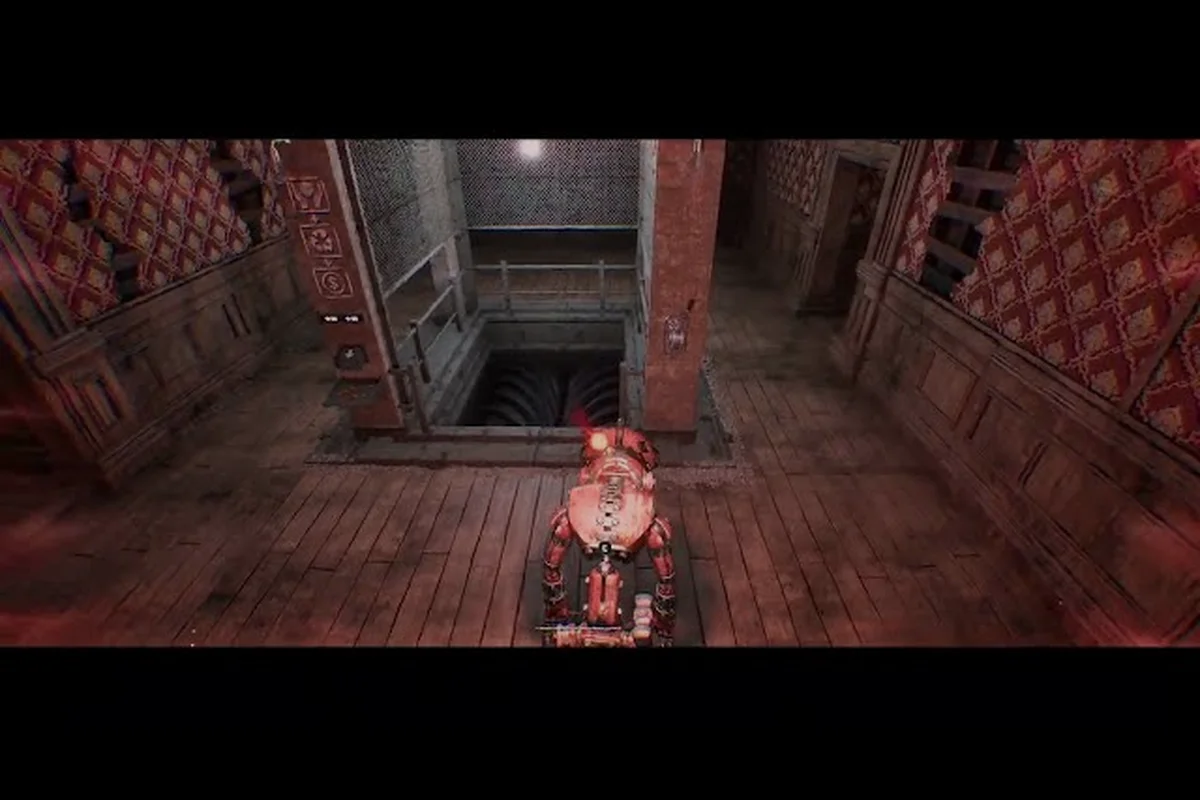
Grain Rot How to Revive: Save Downed Teammates Fast
Master GRAIN ROT revive mechanics, carry loot safely, and stop losing gear. Learn the spark guide, deep extraction tips, and recovery strategies.
All Articles

Grain Rot Rare Loot Locations: Top Spawn Zones Guide
Discover the best GRAIN ROT rare loot locations, loot tables, and extraction strategies to maximize your gold per run. Farm smarter, extract richer.
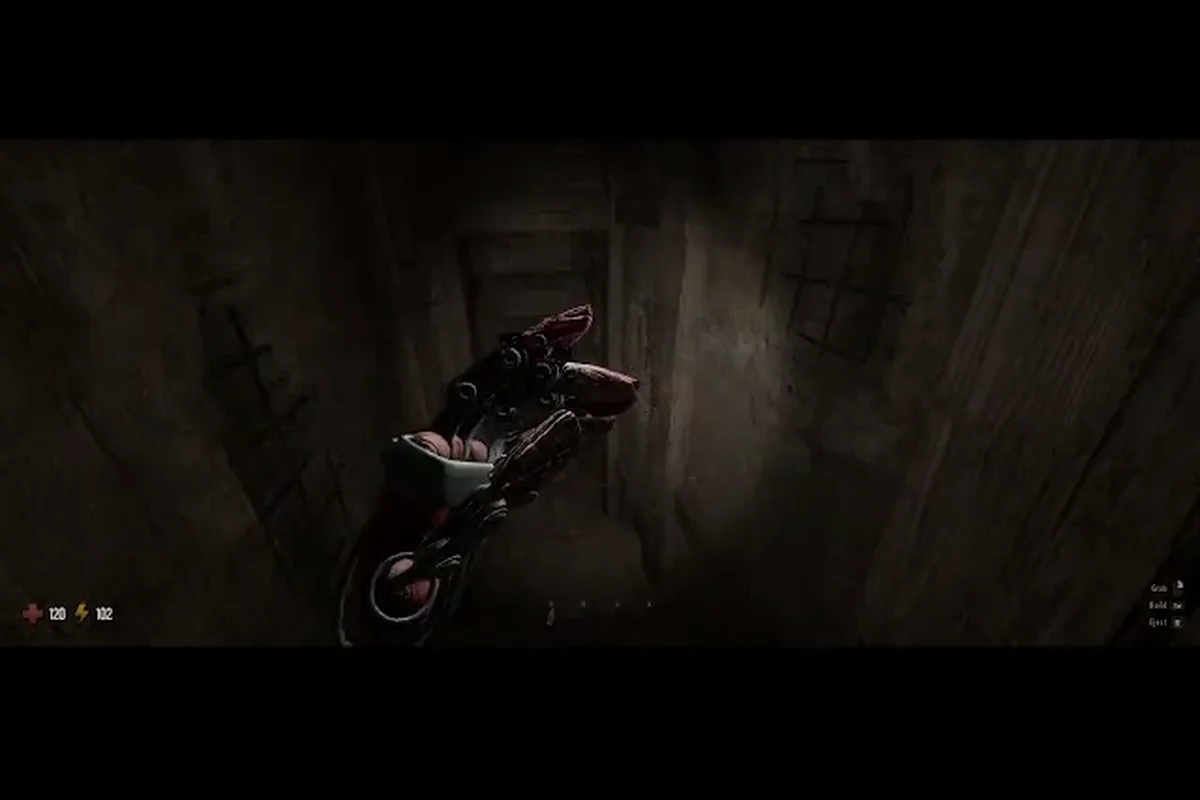
GRAIN ROT Safe Room Guide: Hoard Loot & Extract Everything
Master the GRAIN ROT safe room with this hoard guide. Learn loot management, extraction run strategies, and how to extract everything alive.
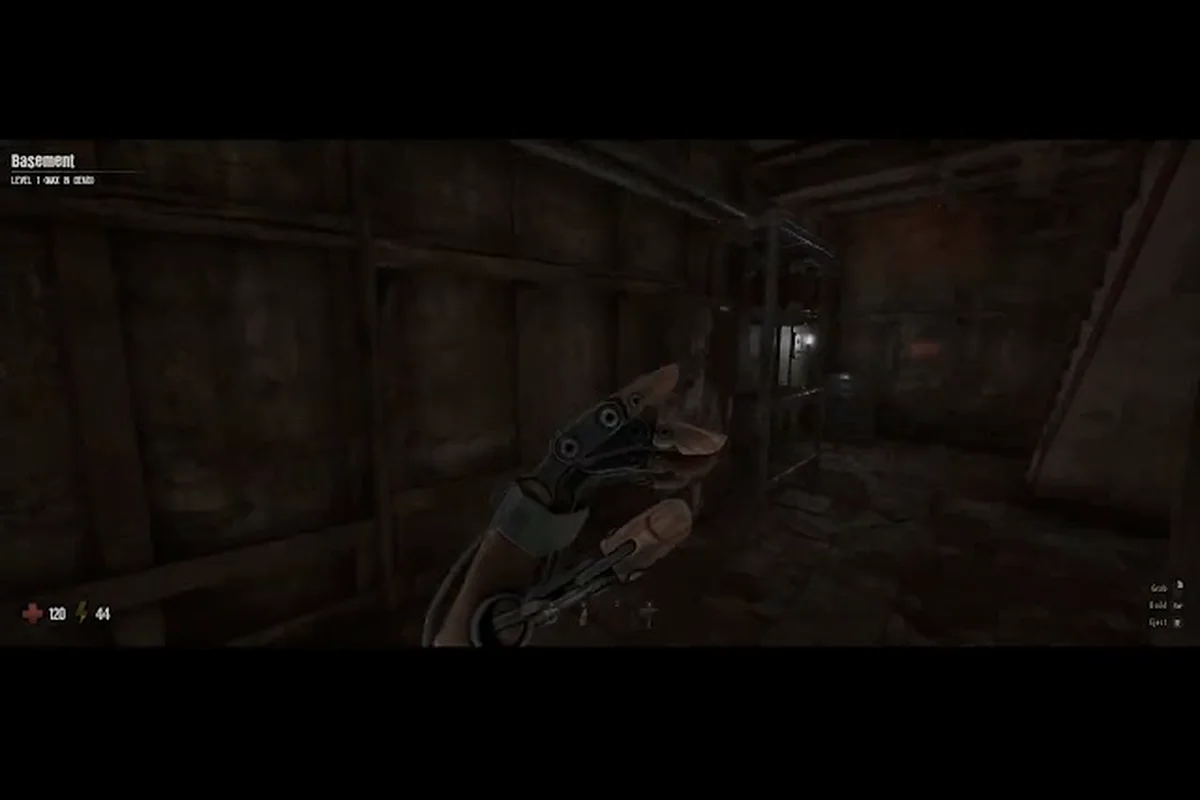
GRAIN ROT Sell Loot Guide: Maximize Every Extraction Run
Learn when and how to sell loot in GRAIN ROT. Master furniture value, extraction timing, and exit strategies to maximize gold per run.
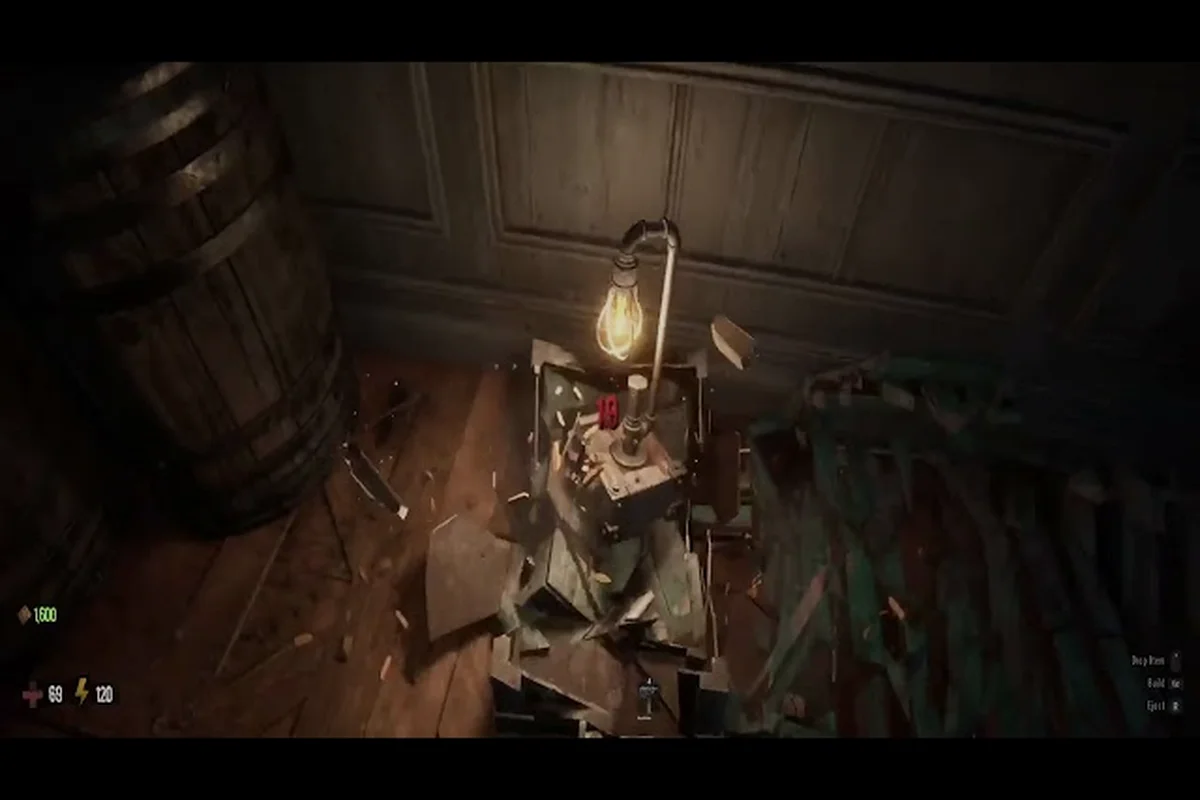
GRAIN ROT Impossible Extract: Last Trolley Escape Guide
Master the GRAIN ROT impossible extract with our last trolley guide. Learn carry limits, hoard tips, quick extraction routes, and debris navigation.